 by Admin
The Brain and Navigator: ECU and GPS
First, let's understand the key players:
The ECU (Electronic Control Unit) is essentially your vehicle's brain. It monitors and controls nearly every aspect of engine performance, from fuel injection and ignition timing to emissions control. Modern vehicles contain dozens of ECUs managing everything from transmission to climate control.
GPS (Global Positioning System) provides location, speed, and time data. When combined with accelerometers and other sensors, it can also deliver precise movement and directional information.
How the Connection Works
The integration between GPS and ECU typically occurs through one of several methods:
-
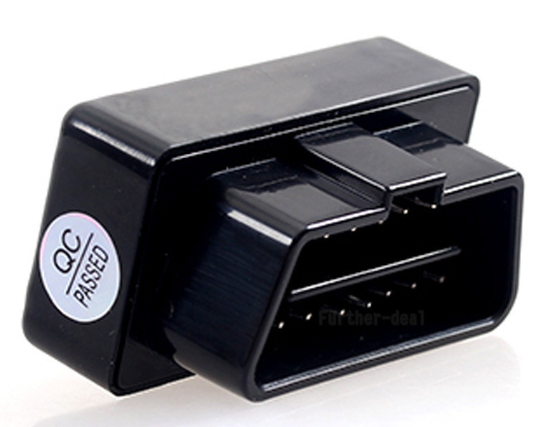
OBD-II Port Connection: Most commonly, a GPS-enabled device plugs into the OBD-II port (standard in vehicles manufactured after 1996). This port provides direct access to the vehicle's CAN bus, allowing the device to read ECU data while simultaneously collecting GPS information.
-
Factory-Integrated Systems: Many modern vehicles come with built-in telematics systems (like GM's OnStar or Ford's SYNC) that combine GPS and ECU data natively.
-
Aftermarket Solutions: Advanced telematics devices and performance trackers combine GPS receivers with CAN bus interpreters to create rich datasets.
What Data Gets Collected?
When GPS connects with the ECU, you gain access to a comprehensive performance picture:
Location & Movement Data (GPS)
-
Real-time vehicle position
-
Speed and acceleration profiles
-
Route history and geofencing
-
Idle time and stop locations
Vehicle Performance Data (ECU)
-
Engine RPM and load
-
Fuel consumption and efficiency
-
Throttle position
-
Engine temperature
-
Diagnostic trouble codes
-
Transmission status
-
Brake usage patterns
Real-World Applications
1. Fleet Management & Logistics
Companies monitor driver behavior, optimize routes, reduce fuel consumption, and ensure compliance with regulations. By correlating location with engine data, managers can identify inefficient driving patterns or unauthorized vehicle use.
2. Performance Tuning & Motorsports
Enthusiasts and professional racing teams analyze combined GPS and ECU data to:
-
Measure lap times against specific performance metrics
-
Identify optimal shift points based on location on track
-
Correlate throttle position with cornering speeds
-
Fine-tune engine mappings for different track sections
3. Predictive Maintenance
By establishing baseline performance patterns, the system can detect anomalies before they become critical failures. For example, noticing gradual fuel efficiency decline in specific geographic areas might indicate clogged filters or other issues.
4. Usage-Based Insurance
Insurers leverage this data to create personalized premium models based on actual driving behavior rather than demographic assumptions.
5. Autonomous Vehicle Development
The GPS-ECU connection provides critical validation data for self-driving systems, helping engineers understand how human drivers respond to different road conditions.
Technical Considerations
Data Synchronization
Precise timestamp alignment between GPS and ECU data streams is crucial for meaningful analysis. Even milliseconds of offset can distort performance correlations.
Data Volume & Processing
A connected vehicle can generate gigabytes of data daily. Effective solutions require robust data compression, filtering, and cloud processing capabilities.
Privacy & Security
Vehicle data is sensitive. Responsible implementations include encryption, user consent protocols, and transparent data usage policies.
The Future: Beyond Basic Telematics
The next evolution involves:
-
Edge computing where data processing happens within the vehicle itself
-
5G integration enabling real-time streaming and remote diagnostics
-
AI-powered analytics that learn individual driving patterns and predict needs
-
Blockchain applications for secure, verifiable maintenance records and usage history
Getting Started with GPS-ECU Integration
For those interested in exploring this technology:
-
OBD-II Bluetooth Adapters: Affordable entry points (like OBDLink MX+) work with smartphone apps
-
Professional Telematics Devices: Companies like Geotab and Samsara offer comprehensive solutions
-
DIY Approaches: Raspberry Pi projects with CAN bus interfaces and GPS modules for custom implementations